Marrakech: The City of Colour
- Nov 24, 2025
- 5 min read
Updated: Nov 27, 2025
Photos by Nessa Pullman


Arriving
I had been told of a city at the edge of the Atlantic Sea in North Africa where colour seems to breathe from every surface—a place draped in rich pigments, as though the earth itself had been painted and left to glow beneath the hot sun. I tried to imagine such a world: a place where shades layer upon one another until you feel as though you’re swimming in a sea of saturation, your body floating in the sheer vibrancy of it all. I longed to wrap myself in this world of colour, with tones as warm as the African sun.

It was mid‑November when I flew into Marrakech Menara Airport and caught a taxi into the city centre. As soon as we slipped into the bustling streets of the Medina, my eyes were fixed to the window. We passed the Koutoubia Minaret Mosque, rising 77 metres above the city like a sandstone soldier, keeping a watch over everything. Around it, scooters zig‑zagged with fearless precision, taxis weaved and honked, and donkeys trotted steadily under their loads. It was utter chaos, but an organized, rhythmic chaos—a choreography the city seemed to know by heart.
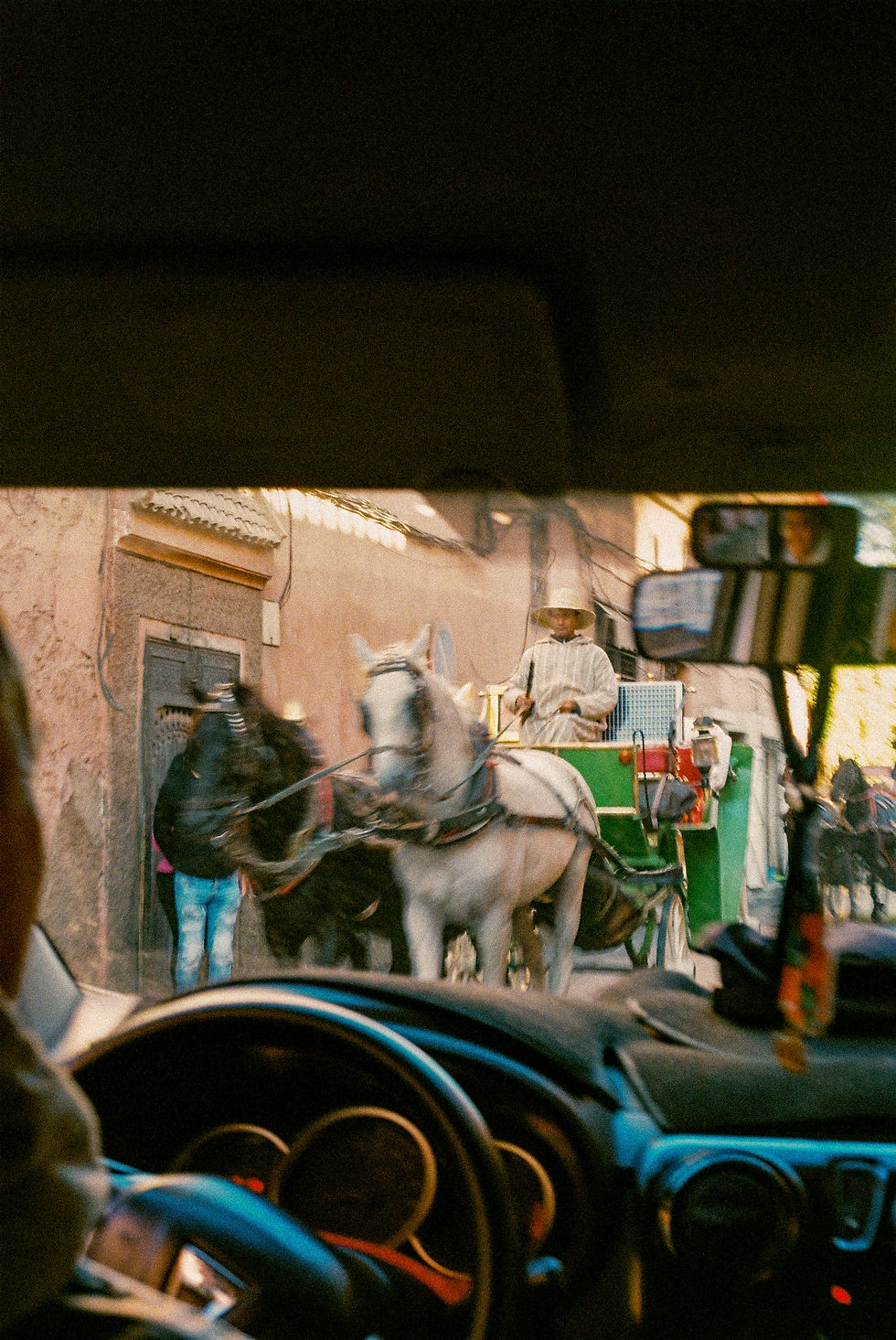
On the sidewalks, men pressed fresh fruit into bright juices, and women laid out tables of vintage silverware that sparkled under the afternoon sun. My gaze darted in every direction, unable to absorb everything quickly enough: the detailed Almohad arches of the buildings, the flashes of geometric rugs hanging in narrow alleyways, the swirl of people disappearing into shadowed passageways. I had only just arrived, yet the city’s enigmatic atmosphere struck me with full force, and I absorbed the energy like a sponge.

Where to stay
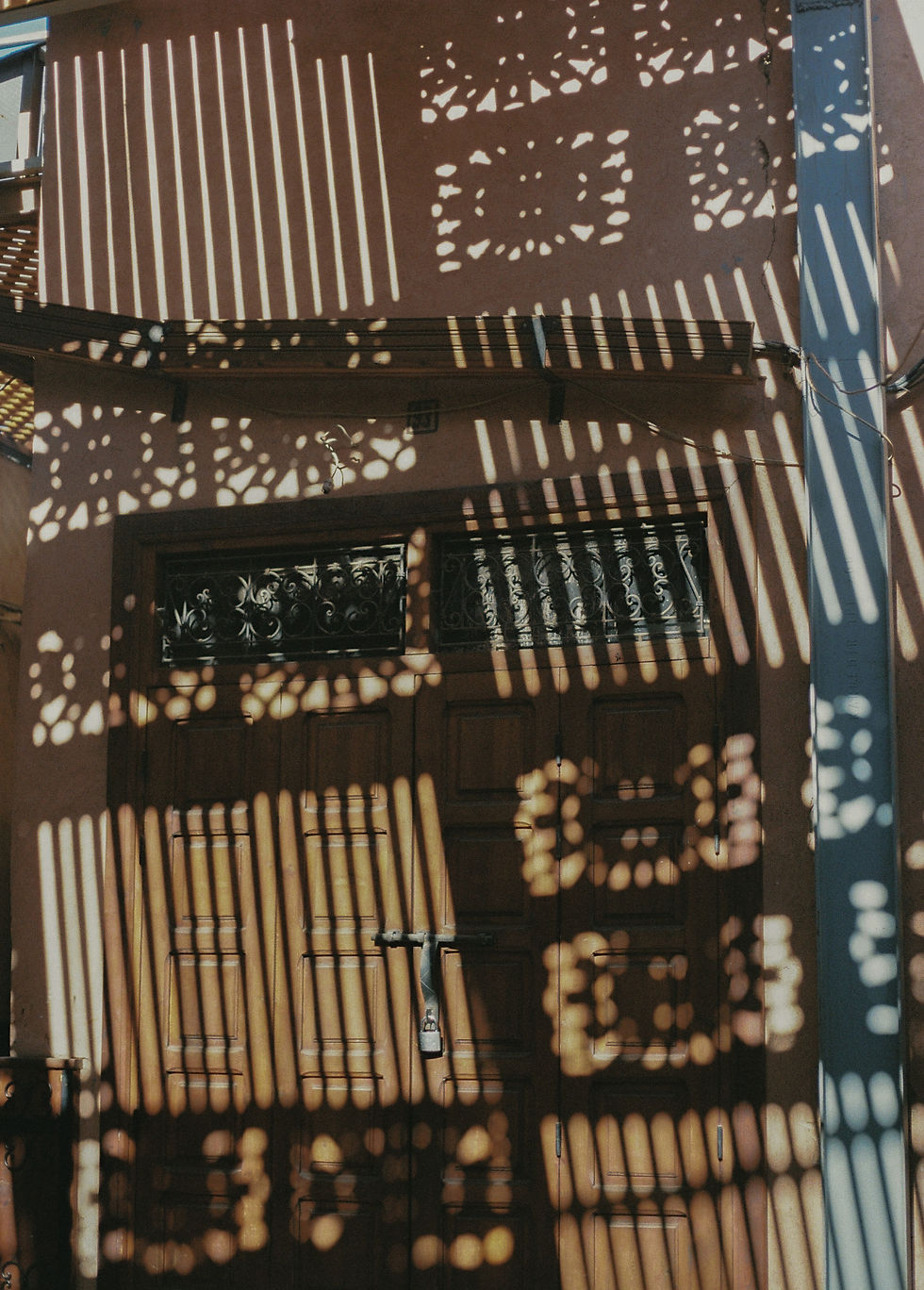
With only three days to explore such a vast, storied city, I arrived with a careful list of sights and experiences I didn’t want to miss. From my research, the best place to stay in Marrakech is the Medina—also known as the “old city”—where life unfolds in a beautiful, unpredictable swirl of markets, palaces, museums, rooftop cafés and hidden riads. While looking for accommodation, riads came to my attention. These are traditional Moroccan homes built around an open‑air courtyard, often with a fountain or small garden at the centre. From the outside, they appear understated: plain walls, a small wooden door, no hint of what lies within. But step through that door and the world softens. The noise of the streets dissolves into stillness, and you find yourself surrounded by carved wood, handmade tiles, tropical foliage and the gentle sounds of trickling water. I chose a riad near the quieter Kasbah area, slightly more removed from the noise of Jemaa el‑Fnaa in the city centre. Staying in a riad offers a more intimate and traditional experience—a chance to feel the soul of Marrakech from within its most cherished architectural form.

What to see
Marrakech’s historic landmarks are nothing short of extraordinary. Centuries of shifting dynasties have created a city rich with ornate palaces, historic museums, and exotic gardens tucked away behind the city’s walls.
In medieval Morocco, rulers demonstrated their strength through architecture, often using these grandiose buildings to symbolize power, wealth, and legitimacy in their rule. While in Marrakech, I visited Palais de la Bahia, Palais El Badi, and the striking Ben Youssef Madrasa—technically not a palace, but A 14th-century school that has been preserved with a splendour that rivals any royal residence.
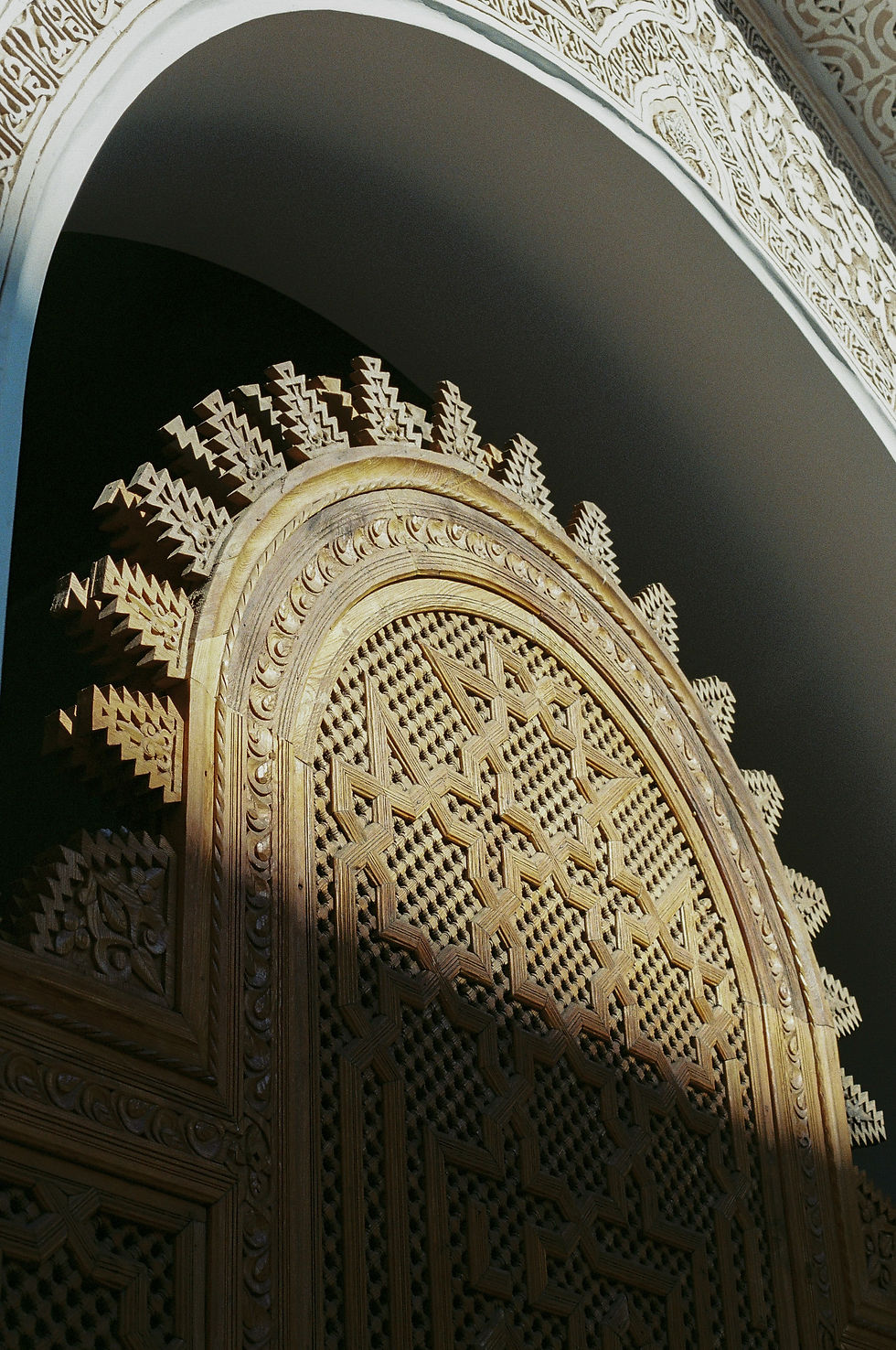

Other notable sites I didn’t have time to visit include Dar Si Said, Dar El Bacha, and the Saadian Tombs, each a treasure chest of Moroccan artistry.
Beyond palaces, Marrakech is home to lush, secret gardens such as Le Jardin Secret and the iconic Jardin Majorelle, once home to fashion designer Yves Saint Laurent and his partner Pierre Bergé. Next door, the YSL Museum houses archival pieces that trace the designer’s deep connection to Morocco. For a deeper glimpse into Moroccan culture, I also visited MACAAL—the Museum of African Contemporary Art Al Maaden—and the Dar Mouassine House of Photography, which holds an evocative archive of images from 1870 to 1960.


Where to shop
If Marrakech is famous for anything, it is its markets—traditionally known as souks—which are a maze of narrow alleyways filled with shops and open stalls. Here, artisans sell leatherwork, rugs, lanterns, ceramics, jewellery, carved wood, and spices piled in pyramids. These souks are a world of their own, where colours and patterns jump out at you, and shopkeepers call out to you, inviting you into their stalls with the warmth and persistence of seasoned storytellers.

My advice: arrive knowing what you want. The souks can overwhelm even seasoned travellers. Browse slowly, never buy the first thing you see, and always negotiate on price. Haggling is not just accepted—it’s celebrated. Start low, be respectful but firm, and enjoy the exchange; more often than not, you’ll walk away with something you love and a story to go with it. When I arrived at the souks, I had one specific item on my hunt list: a leather bag. Morocco is renowned for its leather, tanned using ancient methods, and the pieces you buy here will last a lifetime.

What to eat
Traditional Moroccan cuisine is simple, comforting, and deeply aromatic. You’ll see the same beloved dishes everywhere, most commonly, tagine and couscous.
A tagine is both the dish and the pot it’s cooked in—a clay vessel with a conical lid that traps steam and creates tender, fragrant stews of chicken, lamb, beef or vegetables. Couscous is often served alongside or on its own as a light, fluffy meal.

Marrakech’s restaurants are hidden in courtyards or perched on rooftops overlooking the city. My favourites included Le Jardin Restaurant, Safran by Kôya, Restaurant Dardar, and lastly Comptoir Darna—a vibrant, candlelit restaurant‑club where belly dancers, live music, and desert trance beats create a night that sizzles with exotic rhythm and lingers in your memory long after you leave. Traditional Moroccan mint tea is another ritual entirely. Served throughout the day, it’s poured high into delicate glasses and meant to be enjoyed slowly. Take the time to sit in a teahouse, listen to the gentle clatter of cups, and savour the sweetness of this tradition as you take a break from the commotion.

What to do
If time allows, there are a few other activities I’d highly recommend during your time in Marrakech that are unique to the country’s vibrant culture. One is booking a traditional hammam spa experience. These steam‑filled bathhouses offer scrubs using traditional Moroccan black soap, masks, rinses, and massages that leave you feeling rejuvenated from head to toe. Many hammams are inside elegant riads with pools and tranquil courtyards—a serene escape from the city’s intensity. For adventure, take a day trip to the Agafay Desert, about an hour from the city centre. As you leave Marrakech, the landscape unfolds in rocky, moonlike hills with the Atlas Mountains rising in the distance. Many tours offer ATV rides, camel rides, and dinner under the sunset, accompanied by fire shows and traditional music. It’s a breathtaking reminder of Morocco’s vastness, a world away from the Medina’s heartbeat.

Leaving
I spent only three days in Marrakech, yet as I boarded my flight back to London, it felt as though I had spent a lifetime immersed in this magnetic city. Marrakech has this way of bending time—turning each encounter into a tapestry of hazy, lingering memories. Each experience here is so rich, it deepens your perspective on time and space.

I’ve travelled all over the world, and there is no place I have seen like Marrakech. There is a pulse to this city—an energy that rises from its core and reflects back onto you. Colour, spice, music, movement: everything swirls together in well‑orchestrated choreography, and you can’t help but join the dance. From the moment you step off the plane, Marrakech pulls you in—an irresistible, ever‑shifting tide. And when you leave, you wonder whether it was real or if, perhaps, you dreamt of a city where colour lives, fiercely and fully, at the edge of the Atlantic Sea.




Comments